Hiriketiya’s Quiet Season: A Different Kind of South Coast Visit
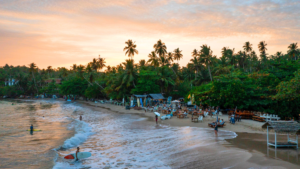
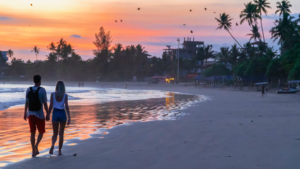
There is a stretch of the year in Hiriketiya when the bay empties out. The surf schools shorten their queues, the beach mats disappear from the sand by mid-afternoon, and the village settles into a slower, quieter rhythm. Between May and October, this small horseshoe bay on Sri Lanka’s south coast shows a side of itself that rarely makes it into the postcard version of Hiriketiya — but one that plenty of visitors come to prefer.
Here’s what that quiet season actually looks like, and what’s worth knowing before you plan a visit during it
What the Quiet Season Actually Means
Sri Lanka’s south coast runs on two broad seasons. From November to April, the south-west monsoon eases, the swell turns more consistent, and Hiriketiya fills with visitors chasing dry skies and reliable surf. From May to October, the monsoon returns, bringing more rain, more humidity, and rougher seas to much of the coastline.
It’s a genuine shift, and it’s worth planning around rather than expecting constant sunshine. But it isn’t the total shutdown the word “monsoon” can suggest — and Hiriketiya, in particular, tends to handle it better than most stretches of this coast.
Why the Bay Stays Calmer Than Most
Hiriketiya’s shape works in its favour here. The bay is small and horseshoe-curved, tucked in enough to stay comparatively sheltered even when conditions turn rough further along the coast. It’s one of the reasons this particular bay is often described as a genuine year-round surf spot, rather than one that only performs in the dry months.

Surfing and Swimming Between May and October
Inside the bay, the water generally stays gentle — soft, rolling waves breaking over a sandy bottom, forgiving enough for anyone still finding their footing. Out towards the point, the reef break can still produce faster, more powerful waves on the right day, though conditions here are noticeably less consistent than during the November-to-April run.
Water temperature is one thing you don’t need to think too hard about; it typically sits in the high twenties Celsius right through the year.
September tends to mark a turning point. Conditions often start to settle, with quieter line-ups and some genuinely good days on offer — less the tail end of the rough months, more a preview of the season ahead. As with any monsoon-season surf report, this varies day to day, so it’s worth checking a live forecast closer to your dates rather than planning around a season alone.
What to Expect from the Weather
Expect warmth, humidity, and a higher chance of rain than you’d see between December and April — sometimes a short, heavy burst, sometimes a longer grey stretch. Cloud cover doesn’t necessarily mean a washed-out day; south coast rain in this period often arrives and clears within a few hours rather than settling in for good.
Because conditions shift from year to year and week to week, it’s worth checking a live forecast in the days before you travel rather than relying on seasonal averages alone — particularly if your plans depend on the weather. REQUIRES HUMAN VERIFICATION if a specific forecast figure is added closer to publish date.
Fewer Crowds, More Space
What the quiet season gives up in guaranteed sunshine, it tends to make up for in room to breathe. Hiriketiya Bay itself is small, with really only two main breaks — add in the surf schools and beginner lessons that fill both during high season, and things can get crowded quickly. Outside that window, mornings on the water and evenings on the sand tend to feel noticeably calmer.
It’s also worth knowing that some smaller cafés, bars and tour operators along the coast adjust their hours, or close for stretches, during the quieter months (REQUIRES HUMAN VERIFICATION — general pattern only; no specific business confirmed). It’s sensible to confirm opening hours directly with any specific business before turning up, rather than assuming everything runs as it does in December.
Who the Quiet Season Suits
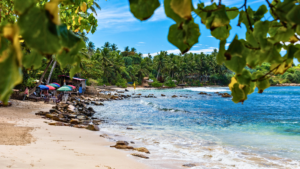
This isn’t the version of Hiriketiya for anyone who needs guaranteed blue skies or a packed sunset spot at the beach bar every evening. It suits travellers who don’t mind rearranging a day around the weather, surfers happy to trade consistency for empty line-ups, and anyone who’d rather have the bay mostly to themselves than share it with a crowd. If that sounds like you, the quiet months have plenty to offer — just with a different rhythm to the one you’ll find in December.
Beyond the Bay: Slow Days on the South Coast
A quieter Hiriketiya also makes a good base for exploring further along the coast, at a pace that suits the season.
A little over half an hour away, Mulkirigala Raja Maha Vihara rises out of the surrounding forest as a rock temple dating back to the third century BC. A series of cave terraces climbs the rock face, each holding shrines and murals — some painted during the Kandyan period — with the reward at the top being a wide, uninterrupted view over the south coast. It’s a proper climb rather than a stroll, so comfortable shoes and water are worth packing.
Closer to Dickwella itself, the Hoo-maniya Blowhole is Sri Lanka’s only natural blowhole, and one of the tallest of its kind in the world — sea water forced up through a narrow crack in the rock, sometimes reaching well over head height. It’s at its most dramatic when the sea is a little rough, which, during the quiet season, it often is.
For something gentler, Mawella Lagoon sits a short way along the coast, its calmer, more sheltered water making it a popular spot for a slow paddle or kayak away from the open sea (REQUIRES HUMAN VERIFICATION — exact distance and access details not independently confirmed this session).
None of this needs a full day away from Hiriketiya. Most of it can be woven into a slower half-day loop before heading back to the bay for the evening — or paired with our guide to things to do in Hiriketiya if you’d like to fill out the rest of your stay.

A Calm Base for the Quiet Months
The quiet season suits a particular kind of stay — one with fewer fixed plans and more unhurried mornings. At Beldon, that’s close to how the property is designed to feel throughout the year.
Olu and Lily Bungalows each open onto a private plunge pool, useful on the days when a swim closer to home is more appealing than the walk to the beach. Sera Suite, with its own balcony and bathtub, suits a slower pace just as easily, and the Full Villa brings all three spaces together for a family or small group happy to spend the quiet months in one another’s company. You’ll find the full details on our accommodation page.
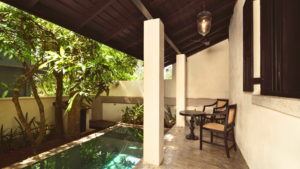
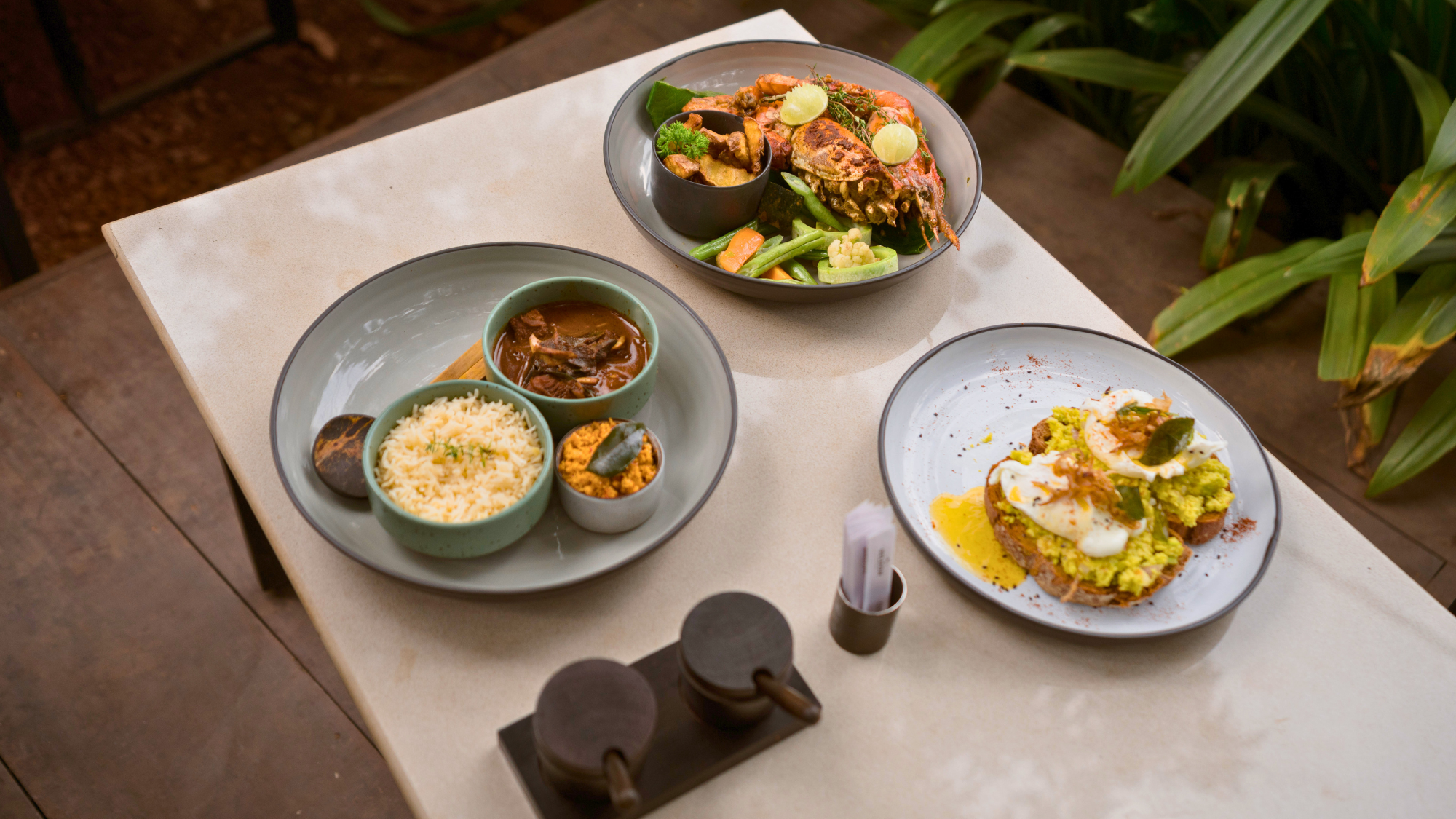
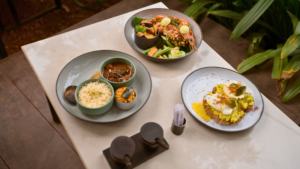
Beldon’s restaurant and café keep a similarly unhurried rhythm, from all-day brunch through to something more substantial in the evening — a good place to wait out a rain shower with a coffee, or close a quiet day with dinner. More on what ‘s served is on our dining page.
Practical Notes for a Quiet-Season Visit
- Pack for both rain and sun: light layers, a rain jacket and swimwear all earn their place.
- Book accommodation, and any activities that matter to your plans, in advance — some smaller operators run reduced schedules in the quieter months.
- Check sea and surf conditions on the day rather than relying on seasonal averages alone.
- Confirm opening hours for restaurants, tour guides and activity operators directly before turning up.
There’s a version of Hiriketiya that only really shows up between May and October — quieter mornings, a slower kind of beach day, and a south coast with more time for you in it. If your own visit falls during those months, and this is the kind of stay that appeals, Beldon’s bungalows and suites make a fitting, calm place to spend it.
You can see current availability and book directly whenever you’re ready. And if you’re planning a shorter trip first, our weekend guide to Hiriketiya covers the essentials.